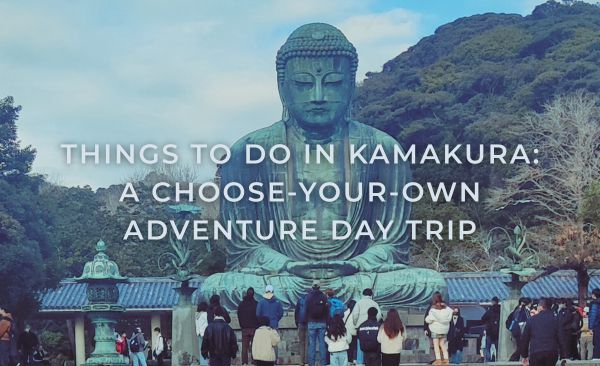




Kamakura is one of those places people think they understand.
Big Buddha. Temples. Day trip. Done.
But if you actually step off the train and pause for five seconds, you’ll realize Kamakura is secretly a branching storyline. And yes—there are so many things to do in Kamakura that the real challenge isn’t finding attractions, it’s deciding how to experience them without turning your day into a speedrun.
The trick? Knowing where to go, when to go, and which exit to use.
You might want to read:
What to Do in Kamakura for a Day (Without Burning Out)
If you only have one day in Kamakura, don’t panic. You don’t need to see everything. Kamakura works best when you let it flow instead of forcing a checklist.
A well-balanced day usually looks like this:
- Morning: temples and shrines while energy is high
- Midday: food, streets, and light wandering
- Afternoon: quieter spots or scenic areas
This rhythm keeps the day exciting but manageable—and lets the city surprise you instead of overwhelm you.
Kamakura Station has two main exits, and this is not just a logistical detail—it’s a strategy.
Pick wrong, and you’ll backtrack or waste energy.
Pick right, and your day just works.
West Exit: Walkable Routes, Hidden Gems, and Underrated Stops
The West Exit is ideal if you enjoy walking and discovering places that aren’t always highlighted online. This side of Kamakura feels quieter, more residential, and refreshingly unpolished.
Sasuke Tunnel: Blink and You’ll Miss It
Sasuke Tunnel is short, quiet, and strangely easy to overlook—but walking through it immediately changes the mood.
It’s one of those places that makes Kamakura feel layered, like the city hides small passageways just for those paying attention.
Pair this with Sasuke Inari Shrine for maximum effect.
Sasuke Inari Shrine (Free Entrance)
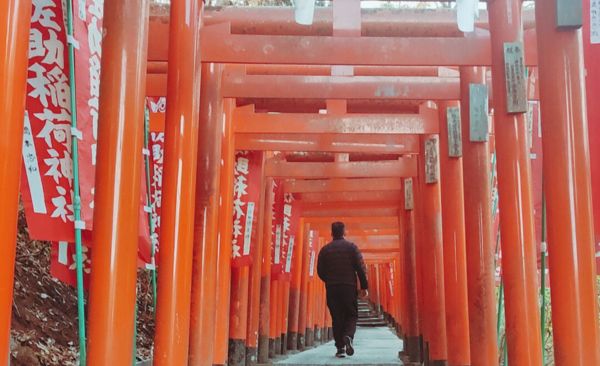
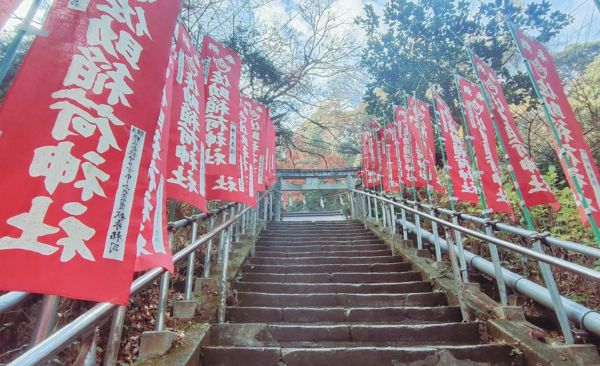
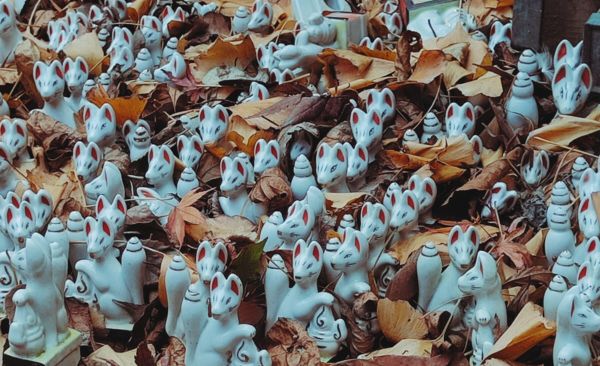
Unlike more famous shrines, this one requires a short uphill walk through greenery. The result? Fewer crowds, more atmosphere, and a sense that you’ve stepped into a side quest. Torii gates, fox statues, and a calm, forested setting make this stop feel personal.
Sasuke Inari Shrine doesn’t announce itself.
You walk uphill. You question your map. You wonder if you’re lost. And then—torii gates appear between the trees.
This shrine feels personal and unfiltered. Fox statues, forest paths, and near-total quiet make it one of the most memorable underrated things to do in Kamakura.
Entrance fee: Free
Kotoku-in (Great Buddha of Kamakura)
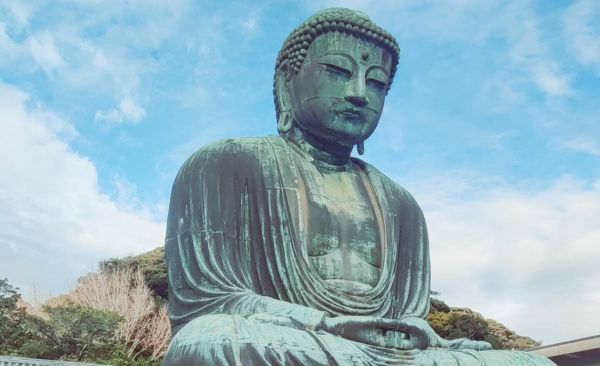
From Sasuke Inari, it’s an easy transition toward Kotoku-in, home of the iconic Great Buddha.
Yes, it’s popular—but when you arrive here after a quieter stop, the experience feels more grounded. The scale, detail, and presence of the statue land harder when you’re not rushing.
Entrance fee: 300 yen (additional fee to enter inside the Buddha)
Goryo Shrine and the Tanaka Barbershop Area
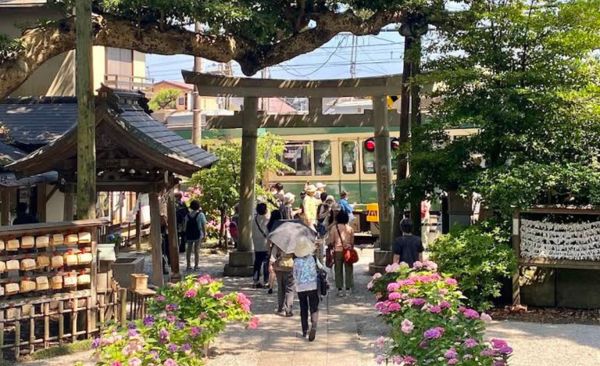
Goryo Shrine itself is modest, but the surrounding area is where this stop shines. The nearby Enoden tracks, narrow streets, and local businesses—especially around Tanaka Barbershop—offer a glimpse into everyday Kamakura life.
The Enoden tracks pass right nearby, and the neighborhood feels lived-in rather than curated. This is where Kamakura stops being a destination and starts feeling like a town.
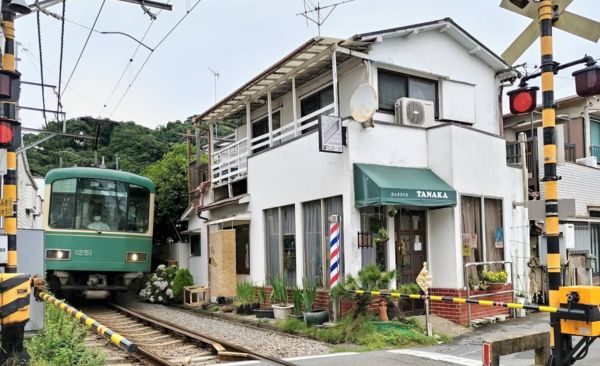
This is a pause point. Not a photo rush
Hasedera Temple: One of Kamakura’s Must-See Spots
No list of things to do in Kamakura is complete without Hasedera Temple.
Known for its hillside views, gardens, and serene atmosphere, Hasedera offers variety in one stop. You’ll find statues, walking paths, seasonal flowers, and viewpoints overlooking the coast.
This is a great mid-morning or early afternoon stop when you want something visually rewarding but not exhausting.
Hasedera Temple entrance fee: 400 yen
Underrated Things to Do in Kamakura: West Exit Route (Side Quests Included)
The West Exit is where Kamakura starts feeling like a collection of side quests.
This route is best for travelers who enjoy:
- Walking
- Slight detours
- Discovering places that don’t shout for attention
Cape Inamuragasaki: A Soft, Scenic Exit
Ending the West Exit route at Inamuragasaki Coast is a quiet win.
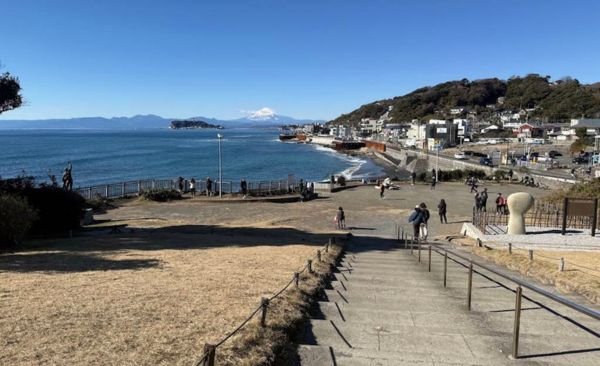
The coastline is open, breezy, and far less hectic than more famous seaside spots. It’s perfect for:
- Sunset walks
- Mental decompression
- Letting the day wind down naturally
After temples and tunnels, the ocean feels like a release.
East Exit: Buses, Coverage, and Easy Access to Major Attractions
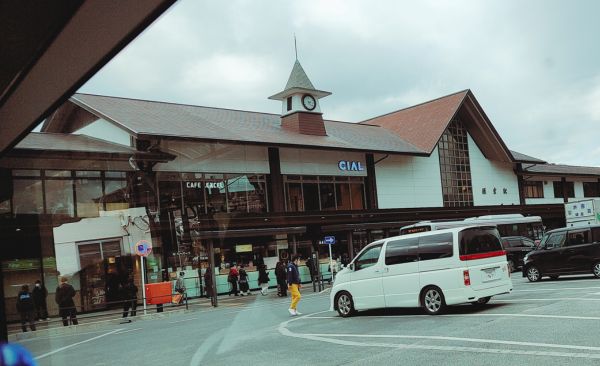
The East Exit is best if you want flexibility and wider coverage. This side of the station connects directly to bus routes that take you to multiple attractions without long walks.
Hokokuji Temple and Bamboo Forest
If you’re searching for a bamboo grove in Kamakura, Hokokuji Temple should be high on your list.
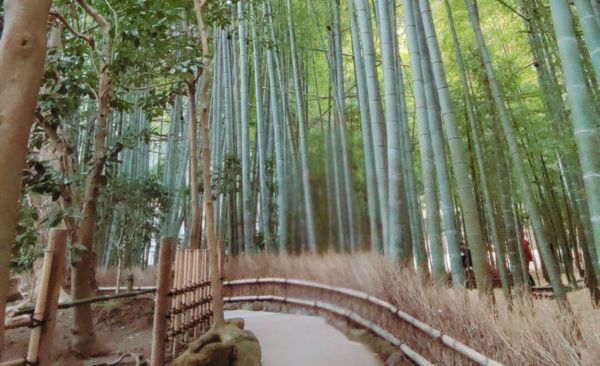
Its bamboo forest is calm, scenic, and far less crowded than other famous bamboo spots in Japan. The walking path is short but memorable, perfect for slowing down and resetting your pace.
Entrance fee: 300 yen
Komachi Street Kamakura: Where to Eat, Shop, and Reset
After temples and walking, Komachi Street Kamakura is where you slow things down.
Located near the station, this lively street is packed with food stalls, cafes, souvenir shops, and casual restaurants. It’s the perfect place to recharge, people-watch, and snack your way through the afternoon.
Pro tip: Visit earlier in the day for fewer crowds, or later in the afternoon once temple hopping is done.
Underrated Things to Do in Kamakura: East Exit Route (For Quiet Explorers)
If you’re exiting Kamakura Station via the East Exit and you’re willing to —or hop on a bus—you unlock a stretch of Kamakura that feels calmer, older, and wildly underexplored.
This side is perfect if you want temples with atmosphere, not crowds.
Hokaiji Tunnel: A Shortcut That Feels Like a Glitch in the Map
Hokaiji Tunnel doesn’t feel like an attraction—and that’s exactly why it’s interesting.
It’s a quiet pedestrian tunnel cutting through Kamakura’s hills, often used by locals rather than visitors. Walking through it feels oddly cinematic: dim lighting, cool air, and a brief pause from the outside world.
Important note:
Hokaiji Tunnel is not on the same route as Sugimoto, Jomyoji, or Hokokuji. It’s best visited on a separate walk or paired with other East Exit wandering, rather than forced into the temple route.
Think of it as a mood stop, not a checklist stop.
Sugimoto Temple: Kamakura’s Oldest, and Somehow Still Overlooked
Sugimoto Temple is often skipped—and that’s a mistake.
Known as Kamakura’s oldest temple, this spot feels quietly powerful. The steep mossy steps leading up to the temple immediately set the tone: slow down, watch your footing, and take it in.
It’s not flashy. It doesn’t try to impress.
But the age, the calm, and the lack of crowds make it one of the most grounding places to visit from the East Exit.
Jomyoji Temple: The Soft Transition Spot
From Sugimoto Temple, the route naturally flows toward Jomyoji Temple.
This temple feels like a breather—open grounds, traditional architecture, and a slower pace that invites you to linger. It’s a great place to reset before continuing deeper into the area.
If Kamakura temples had personalities, Jomyoji would be the calm friend reminding you there’s no rush.
Hokokuji Temple: Bamboo, Balance, and a Perfect Ending
Ending this route at Hokokuji Temple just makes sense.
The Hokokuji Bamboo Forest is peaceful, contained, and intentionally quiet. It’s not a long walk, but it doesn’t need to be. The bamboo grove works as a mental full stop after a temple-heavy morning.
And the best part?
Jomyoji and Hokokuji are already along the way from Sugimoto Temple, so the route feels natural instead of forced.
This East Exit path is ideal if you want:
- A calm half-day
- Fewer crowds
- A more reflective Kamakura experience
East Exit or West Exit? Here’s the Quick Take
- East Exit: Best for temple lovers, bamboo forests, and calm half-day routes (Sugimoto → Jomyoji → Hokokuji)
- West Exit: Best for walkers, hidden paths, and atmospheric stops (Sasuke Tunnel → Sasuke Inari → Goryo Shrine → Coast)
Both are great. The real mistake is trying to do everything at once.
Best Day to Go to Kamakura
If you’re choosing the best day to go to Kamakura, weekdays win—especially Tuesday to Thursday.
Weekends are lively but crowded, particularly around Kotoku-in, Hasedera, and Komachi Street. If weekends are your only option, start early and prioritize quieter stops first.
Spring and autumn are especially beautiful, but Kamakura is enjoyable year-round if you pace yourself.
West Exit Day vs East Exit Day: Mini Itineraries
West Exit Day: Slow and Discovery-Focused
Best for travelers who love walking and hidden spots.
- Exit via West Exit
- Visit Sasuke Tunnel and Inari Shrine
- Continue to Kotoku-in
- Explore Goryo Shrine and Tanaka Barbershop area
- Visit Hasedera Temple
- Optional Enoden ride or cafe stop
East Exit Day: Efficient and Variety-Packed
Best for first-timers or limited schedules.
- Exit via East Exit
- Take bus to Hokokuji Temple
- Return toward station,
- Explore on Komachi Street and walk under Dankazura
Kamakura for Digital Nomads: Stay, Base, or Just Explore?
If you’re a digital nomad, Kamakura raises a very specific question: Is this a place you stay in—or a place you dip into?
The honest answer? Kamakura works best as a slow, short-term base or a recurring exploration spot, rather than a long-term hustle city.
Working From Kamakura: The Reality Check
Kamakura is calm, scenic, and refreshing—but it’s not built like a coworking capital.
You’ll find:
- Small cafés with limited seating
- Quiet spots that are great for short focused sessions
- A generally relaxed pace that doesn’t push productivity
What you won’t find easily:
- Lots of dedicated coworking spaces
- Late-night work cafés
- High-energy networking scenes
This makes Kamakura ideal for light workdays, writing, planning, editing, or recovery days between busier cities.
Internet, Cafés, and Work-Friendly Spots
Internet quality is generally reliable, especially if you’re staying in proper accommodations rather than hopping cafés all day.
For work sessions:
- Plan to work from your accommodation
- Use cafés for short bursts, not full-day marathons
- Be mindful of peak hours, especially on weekends
Kamakura values calm—and respecting that makes the experience better for everyone.
Cost, Convenience, and Connectivity
Accommodation in Kamakura can be pricier than nearby areas, especially for longer stays. However, its biggest advantage is connectivity.
You’re:
- Less than an hour from Tokyo
- Well-connected by JR and Enoden lines
- Close enough to dip into city life when needed
This makes Kamakura a strong option if you want nature + temples + easy Tokyo access without committing to the capital full-time.
Stay or Explore? The Verdict
- Stay short-term if you want balance, quiet mornings, and scenic breaks between work
- Base nearby (like Fujisawa or Yokohama) and explore Kamakura regularly if budget and workspace matter more
- Day trip if you’re on a tight schedule and just want the highlights
Kamakura rewards nomads who value rhythm over rush.
Extra Tips for Digital Nomads Visiting Kamakura
- Visit temples early to keep afternoons free for work
- Avoid weekends if you need quiet focus time
- Use Kamakura as a reset point between faster cities
- Don’t overschedule—this city works best with breathing room
Wrap Up: Kamakura Is Best When You Don’t Rush It
The best things to do in Kamakura aren’t about how many places you visit—they’re about how the day feels. We’ve been to Kamakura for a few times now and I feel like there is still a lot I could find if we’d let our selves get lost and wander.
Choose the right exit. Mix walking with transit. Leave room for pauses.
Whether you’re here for a day, a weekend, or a slow nomad reset, Kamakura doesn’t demand your attention—it rewards it.
And that’s exactly why it stays with you long after you leave.