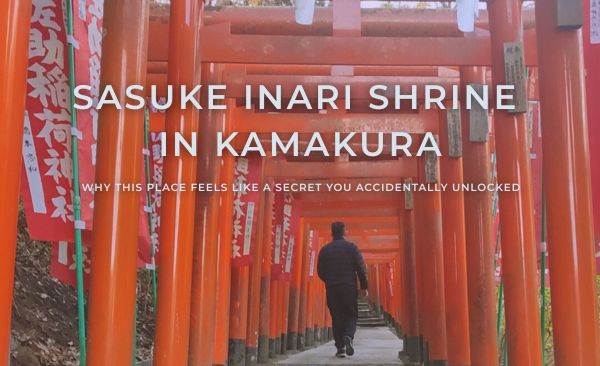
Let’s be very clear from the start: Sasuke Inari Shrine Kamakura is not the kind of place you casually “swing by” between lunch and dessert. This is a shrine you earn. No shortcuts. No escalators. No tour bus drops.
Hidden deep in the hills of Kamakura, Sasuke Inari Shrine feels less like a tourist attraction and more like a secret level in a game you weren’t supposed to find yet. It’s quiet, atmospheric, slightly mysterious, and criminally underrated. Most people walk right past the area without realizing a shrine is even there—and honestly? That’s part of why it still feels special.
If you’re here for crowds, souvenir shops, and perfectly curated Instagram queues, this is not your shrine.
But if you want calm, discovery, and that very specific “wait… how is this place not more famous?” feeling—welcome. You’re exactly where you should be.
What Is Sasuke Inari Shrine? (And Why It’s Different)
At its core, Sasuke Inari Shrine is a small Shinto shrine dedicated to Inari, the deity associated with prosperity, protection, business success, and good fortune. If you’ve been to other Inari shrines in Japan, you’ll recognize the fox statues—Inari’s messengers—guarding the grounds.
But here’s the difference.
Sasuke Inari Shrine Kamakura doesn’t feel ceremonial or grand.
It feels personal.
Instead of sitting in the open or near a major road, the shrine is tucked into a quiet valley behind residential neighborhoods, wrapped in trees and hills. There’s no city noise, no train sounds, no constant chatter. You mostly hear wind through the leaves, distant footsteps, and your own thoughts catching up to you.
It doesn’t feel like a shrine designed to impress crowds.
It feels like a shrine meant for people who actually made the effort to get there.
Getting There: The Walk Is Part of the Experience
Getting to Sasuke Inari Shrine Kamakura is not a straight shot—and that’s intentional.
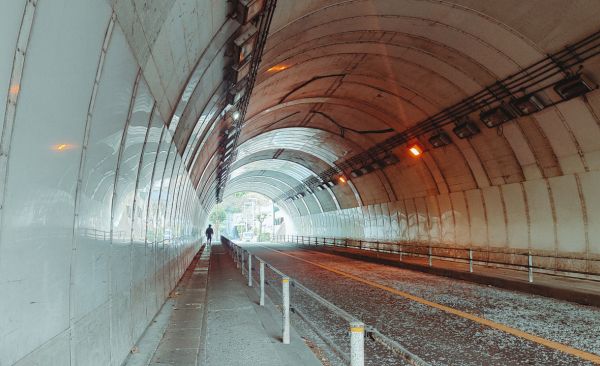
You don’t step off a train and immediately see torii gates. Instead, you walk through quiet streets, pass local homes, and slowly make your way toward a narrow forest path that feels almost too subtle to be real.
For first-timers, this part can feel a little unsettling (in a good way):
- The path isn’t obvious
- Signage is minimal
- You will probably check your map more than once
- You might wonder if you missed a turn
That’s normal. Everyone does.
And then—almost suddenly—you’ll spot the first red torii gate peeking through the trees. That’s when it clicks. You didn’t get lost. You unlocked it.
What You’ll See Inside Sasuke Inari Shrine Kamakura
The grounds of Sasuke Inari Shrine aren’t huge, but they’re layered in a way that encourages wandering instead of rushing.
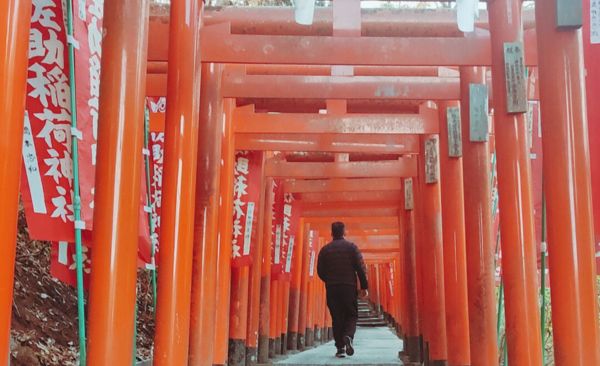
Instead of one dramatic focal point, the shrine reveals itself slowly:
- Moss-covered stone steps that feel worn in the best way
- Clusters of red torii gates that appear, disappear, then reappear
- Fox statues quietly guarding corners and altars
- Tiny sub-shrines scattered around the hillside
There’s no clearly marked route telling you where to go first or what’s “most important.” You explore at your own pace. You stop when something catches your eye. You move when it feels right.
That lack of structure is exactly what makes the experience memorable.
It feels unscripted. Almost private.
Sasuke Inari Shrine Entrance Fee (Yes, It’s Free)
Here’s some good news that never gets old:
Sasuke Inari Shrine entrance fee: ¥0
No ticket booths. No gates. No timed entry slots. Just open access.
But free doesn’t mean careless. Visiting comes with unspoken rules:
- Keep noise to a minimum
- Respect the space and other visitors
- Don’t treat it like a photoshoot set
- Leave it exactly—or better—than you found it
This shrine runs on reverence, not revenue. So I suggest that when you visit the shrine make sure to buy and offer to the shrine the kitsunes available on site. You might just have your wish come true.
Best Time to Visit Sasuke Inari Shrine Kamakura
Timing makes a huge difference here.
The best time to visit Sasuke Inari Shrine Kamakura is:
- Early morning (for calm and soft light)
- Late afternoon (for mood and atmosphere)
- Weekdays (for fewer people overall)
This shrine shines when it’s quiet. Morning visits feel almost meditative, with light filtering through the trees. Late afternoons feel cinematic, like you’ve stepped into a scene instead of a destination.
One note: avoid rainy days unless you’re confident on uneven paths. The trail can get slippery, and this is not a place you want to rush through.
Sasuke Inari Shrine for First-Timers: What to Know Before You Go
If this is your first visit, a little preparation goes a long way.
Helpful tips:
- Wear proper shoes (this is not a sandals-only stop)
- Bring water, especially in warmer months
- Expect uneven steps and forest paths
- Give yourself permission to slow down
Most visitors spend 30–60 minutes here, depending on how much they explore and how long they linger. This isn’t a “check it off the list” shrine. It’s a “let it unfold” kind of place.
Why Sasuke Inari Shrine Is Perfect for Digital Nomads
For digital nomads, Sasuke Inari Shrine Kamakura hits on a different level. Now going here isn’t about Wi-Fi, outlets, or café hopping. It’s about mental space.
A Reset Spot, Not a Productivity Zone
This shrine is best visited on:
- Light workdays
- Reflection days
- Creative reset afternoons
Go in the morning, clear your head, then return to work feeling grounded instead of overstimulated. It’s a surprisingly effective way to rebalance after days of screens and deadlines.
Ideal for Slow Travel
Sasuke Inari fits perfectly into a slow-travel lifestyle:
- No rush
- No schedules
- No pressure to maximize
It’s a reminder that travel doesn’t always need to be optimized. Sometimes, it just needs to be felt.
Pairing Sasuke Inari Shrine With Other Kamakura Stops
Because it’s tucked away, Sasuke Inari Shrine Kamakura works best when paired with quieter or reflective stops, such as:
- Kotoku-in (Great Buddha) for contrast
- Goryo Shrine for another calm, local-feeling visit
- Residential walks through Kamakura’s backstreets
Think of Sasuke Inari as your grounding point in a day that might otherwise include busier, more popular attractions.
You might want to read:
Why You Rarely See Sasuke Inari Shrine in Other Kamakura Guides
Here’s the honest reason: It’s harder to explain.
This shrine doesn’t offer one viral photo angle. It doesn’t have a single iconic moment. It doesn’t market itself.
But for travelers who care about atmosphere, discovery, and those in-between moments, Sasuke Inari Shrine Kamakura often becomes one of the most memorable places they visit.
Wrap Up: Sasuke Inari Shrine Is a Side Quest Worth Taking
If Kamakura is the main storyline, Sasuke Inari Shrine is the side quest that unexpectedly stays with you long after the trip ends.
It’s quiet. It’s subtle. It’s deeply human.
And if you’re willing to walk a little further and slow down a little more, Sasuke Inari Shrine Kamakura gives you something rare in modern travel:
space to breathe.
Not everything memorable needs to be loud.