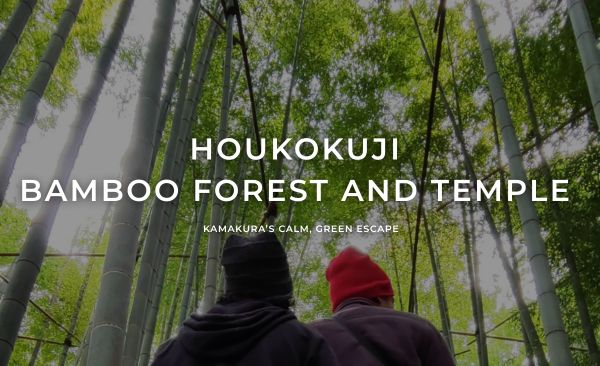
There are places in Japan that impress you instantly. And then there are places that quietly slow you down before you even realize it.
Hokokuji Bamboo Forest in Kamakura is very much the second kind.
This isn’t a loud, checklist destination. It doesn’t demand your attention. Instead, it gently pulls you into a rhythm where footsteps soften, voices lower, and your brain finally stops juggling five thoughts at once. The moment you step into the bamboo grove, the outside world fades — replaced by rustling leaves, filtered light, and a kind of calm that feels earned.
If you’re looking for a peaceful break while exploring Kamakura, the Hokokuji Bamboo Forest deserves more than a quick stop.
You might want to read:
What Is Houkokuji Bamboo Forest?
The Hokokuji Bamboo Forest is the most famous feature of Hokokuji Temple, a Rinzai Zen Buddhist temple located in eastern Kamakura. The temple is often referred to as “The Bamboo Temple”, and once you see the grove, the nickname makes perfect sense.
The forest is made up of over 2,000 towering moso bamboo stalks, growing close together and forming a natural green corridor. Unlike bamboo groves that feel like photo backdrops, this one is designed for slow walking and quiet observation.
Paths gently curve through the forest, encouraging visitors to wander rather than rush. The bamboo sways above you, sunlight shifts constantly, and everything about the space feels intentional — calm without being rigid.
This is bamboo not as a spectacle, but as an experience.
Houkokuji Bamboo Forest and Its History
Houkokuji Temple was founded in 1334, during a politically unstable period in Japanese history. It served as a family temple for the Ashikaga clan, one of the most influential samurai families of the time, and later the Uesugi clan.
Scattered around the temple grounds are yagura caves, believed to contain the ashes of Ashikaga family members. These historical elements are subtle, but they add depth to the visit. Beneath the tranquil bamboo forest lies a place shaped by centuries of power, conflict, and reflection.
That contrast — peaceful bamboo layered over deep history — is part of what makes Hokokuji feel quietly powerful.
How to Get to Hokokuji Bamboo Forest
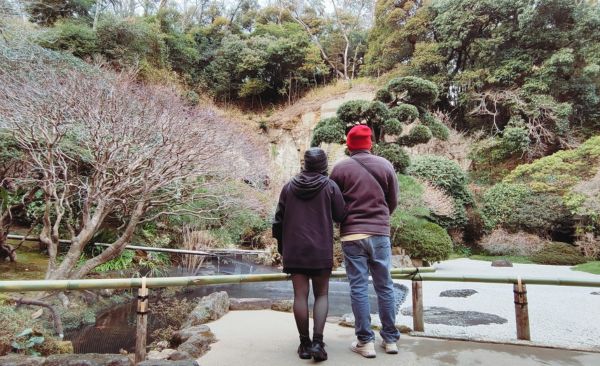
Getting to the Hokokuji Bamboo Forest is straightforward, but not accidental — which helps preserve its calm atmosphere.
From Kamakura Station (East Exit)
By bus (recommended):
- Take a Keikyu bus bound for the Jomyoji area (routes such as buses 鎌23, 鎌24, or 鎌36)
- Get off at Jomyoji
- Walk about 3 minutes to Hokokuji Temple
On foot:
- Around 30–40 minutes
- A pleasant walk through quieter neighborhoods and temple-lined streets
Arriving here feels like stepping away from Kamakura’s busier areas and into a slower, more reflective side of the city.
Hokokuji Bamboo Forest Entrance Fee
One of the most searched questions — and an important one to plan your visit.
Hokokuji Bamboo Forest Entrance Fee
- Adults (high school and above): ¥400
- Elementary & junior high students: ¥200
This fee gives you access specifically to the bamboo grove area within Hokokuji Temple.
Matcha Tea Option
Inside the bamboo forest is a traditional teahouse where you can enjoy matcha and dried sweets while overlooking the bamboo.
- Matcha service is available until around 3:30 PM
- A combined ticket (bamboo forest + matcha) is available
- Seating is limited and first-come, first-served
The tea experience isn’t rushed and is meant to be enjoyed slowly — very much in line with the forest’s atmosphere.
What Walking Through Hokokuji Bamboo Forest Feels Like
This isn’t a place you sprint through, although it’s a not an wide area, it’s actually a small one, but nonetheless best for taking your time.
As you walk through the Hokokuji Bamboo Forest, you’ll notice:
- Tall bamboo swaying overhead
- Narrow paths that naturally slow your pace
- Shifting light patterns as the sun filters through leaves
- A quiet that feels natural, not forced
There are no signs telling you where to stand or what to photograph. You’re free to wander, pause, and simply exist in the space. Many visitors end up staying longer than planned — not because there’s a lot to “do,” but because it feels good to be there.
Best Time to Visit Hokokuji Bamboo Forest
Timing can completely change your experience.
Early Morning
- Cooler temperatures
- Fewer visitors
- Softer, more peaceful light
Late Afternoon
- Warmer tones
- More dramatic shadows
- Slightly more people, but still manageable
Weekdays Are Best
Weekends can be noticeably busier, especially late morning. The forest never becomes chaotic, but its calm is more fragile when crowded.
Seasonal Notes
- Spring: Cherry blossoms bloom elsewhere on the temple grounds
- Early summer: Lush, vibrant green bamboo
- Rainy season: Atmospheric and beautiful, but paths can be slippery
- Winter: Quiet, evergreen calm with fewer visitors
There’s no bad season — only different moods.
Hokokuji Bamboo Forest for First-Time Visitors
If this is your first visit, a little preparation helps:
- Wear comfortable shoes (paths are uneven)
- Bring water, especially in warmer months
- Plan to spend 60–90 minutes if including matcha
- Don’t rush — the forest rewards slow movement
Savor the time you have here. Take everything in.
Hokokuji Bamboo Forest for Digital Nomads
For digital nomads, the Hokokuji Bamboo Forest works best as a mental reset, not a work location.
There’s no Wi-Fi, no outlets, and no pressure to produce content. Instead, it’s ideal for:
- Light workdays
- Planning or reflection days
- Creative recharge moments
Visit in the morning, clear your head, then return to work feeling more focused and grounded. It’s intentional rest — and surprisingly effective.
What to Pair with Hokokuji Bamboo Forest
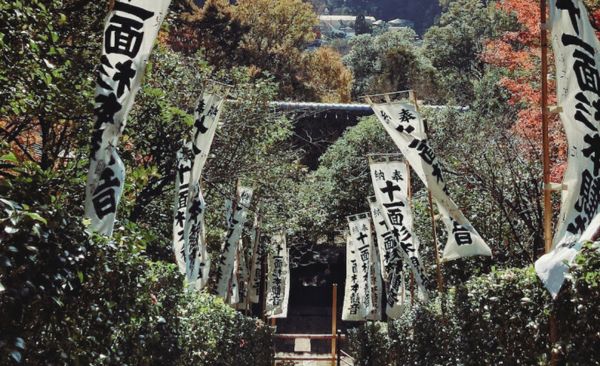
To keep the day balanced, pair Hokokuji with nearby, calmer spots:
- Jomyoji Temple (right next door)
- Sugimoto Temple (a few meters away from Hokokuji
- A relaxed lunch or tea stop nearby
Avoid stacking it with too many crowded attractions. Let this be your slow anchor.
Why Houkokuji Bamboo Forest Still Feels Underrated
To be honest, I find Kamakura as a very busy and crowded area. It’s quite too overwhelming for me especially the East Exit. But it also offers very scenic views and beautiful temples too, so for me Houkokuji doesn’t fit the vibe because it doesn’t offer:
- One viral photo angle
- A loud, dramatic highlight
- A fast experience
What it offers instead is atmosphere, and that’s harder to market — but far more memorable. Visitors who love Hokokuji usually recommend it quietly. And that feels very on-brand.
Wrap Up: Why Hokokuji Bamboo Forest Stays With You
The Hokokuji Bamboo Forest isn’t about ticking boxes or chasing photos. It’s about how your body and mind feel while you’re there.
Calm without being boring.
Beautiful without trying too hard.
Historic without feeling heavy.
If Kamakura ever feels overwhelming, this is where you go to reset.
And honestly? That kind of calm is rare.