

Palawan isn’t just a destination—it’s a geography lesson, a slow-travel dream, and a reminder that some places are too big to be summarized in a single Instagram caption.
Often labeled as the most beautiful island in the Philippines, Palawan consistently makes it to “best islands in the world” lists. But what those lists rarely explain is that Palawan is not one experience. It’s a long province stretching from Mindoro down toward Borneo, dotted with islands, fishing towns, jungles, limestone cliffs, and communities that all feel distinctly different from one another.
When someone says they’re “going to Palawan,” the next question should always be: which part?
Because Palawan is made up of multiple major destinations—each deserving its own trip, pace, and expectations.
And to save you the time, usually, the best time to visit Palawan is during December to May. Here’s what you can expect during December to May:
Rainfall: Minimal rainfall across most parts of Palawan, ensuring good weather for travel, beach activities, and island hopping.
Temperature: Warm (27-33°C)
Sunshine: Abundant sunshine is typical, creating ideal conditions for outdoor adventures and sightseeing.
Recommended Activities: Island hopping, snorkeling, diving, visiting the Underground River, and beach relaxation.
Palawan Is a Province, Not a Single Stop
To really understand Palawan, it helps to think of it less as one island and more as a collection of landscapes connected by water.
Some areas are built around tourism, with established island-hopping routes and resorts. Others are remote, slow, and shaped by daily tides rather than schedules. Travel between destinations isn’t always quick, and that’s part of the experience.
The most well-known areas include:
- El Nido, famous for limestone karsts, hidden lagoons, and cinematic island hopping
- Coron, known for shipwreck diving, dramatic lakes, and a more rugged atmosphere
- Balabac, a remote group of islands near Malaysia with unreal white sand and minimal development
- San Vicente, home to Long Beach and a quieter, more open coastal experience
Each of these places feels like a different version of Palawan—and choosing where to go shapes your entire trip.
Why Weather Matters So Much in Palawan
Palawan is a tropical destination, but unlike city travel, weather here directly affects what you can and cannot do.
Boat tours depend on sea conditions. Island hopping routes change based on wind direction. Visibility underwater shifts with rainfall. Even travel between towns can be delayed by storms.
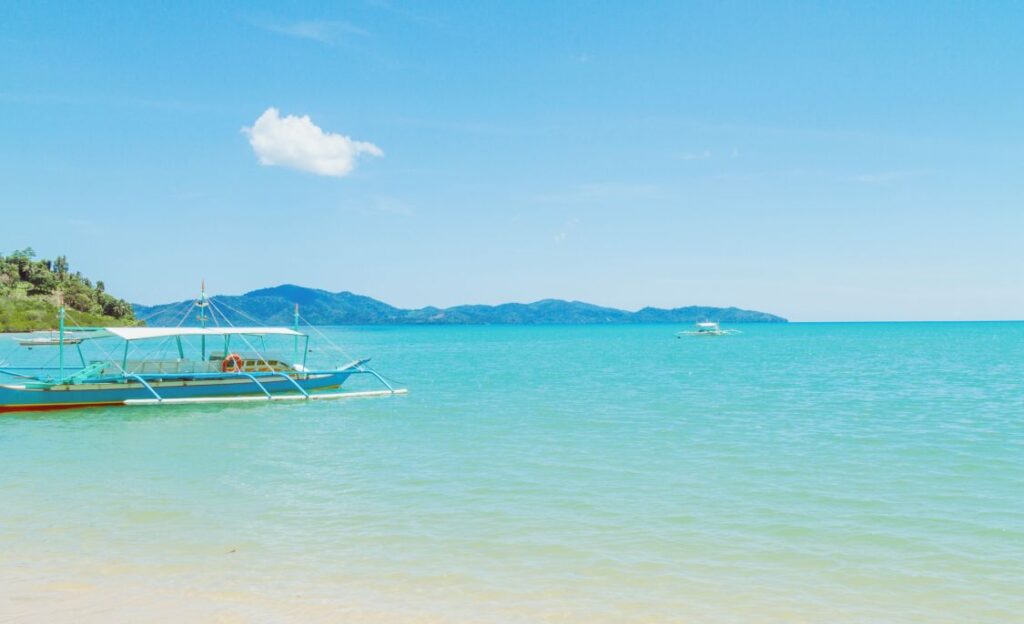
That’s why understanding Palawan’s seasons isn’t just helpful—it’s essential.
While Palawan is generally less affected by typhoons than other parts of the Philippines, it’s still vulnerable to sudden weather changes. Flexibility is part of the deal.
The Best Time to Visit Palawan (And Why December to May Is Ideal)
Most travelers aim for December to May, and for good reason.
During these months:
- Rainfall is minimal and usually short-lived
- Seas are calmer, making island hopping safer and more comfortable
- Sunshine is consistent, which is crucial for photography and water activities
- Travel logistics are smoother overall
This period aligns perfectly with what Palawan does best: boat tours, snorkeling, diving, beach days, and outdoor exploration.
That said, this is also peak season—especially from January to April—so popular areas like El Nido and Coron can feel busy if you don’t plan ahead.
What the Dry Season Actually Feels Like on the Ground
The dry season isn’t just about sunshine—it’s about ease.
You wake up knowing your boat tour will likely push through. You don’t spend mornings refreshing weather apps. You can plan multi-day itineraries with confidence. Even simple things like walking around town or riding a motorbike feel lighter when rain isn’t looming.
For first-time visitors, the dry season removes a lot of uncertainty.
Month-by-Month Weather in Palawan (What Travelers Really Experience)
Disclaimer: This article only serves as a guide on your planning and ultimately, the weather may change a week before your visit.
January: Comfortable, Calm, and Beginner-Friendly
January is one of the easiest months to fall in love with Palawan. Days are warm without being oppressive, nights cool down just enough to feel comfortable, and rainfall is rare.
It’s an excellent month for:
- First-time visitors
- Island hopping tours
- Diving and snorkeling
- Long beach days without extreme heat
The only downside? It’s popular. Booking accommodations and tours early makes a big difference.
Palawan experiences tropical weather during January. The month marks the dry season with warm temperatures and limited rainfall. The average high temperature hovers around 30°C (86°F) while the evenings cool down to around 23°C (73°F).
It is an excellent time to explore Palawan’s stunning beaches, dive into its crystal-clear waters, and immerse oneself in the breathtaking natural beauty of the region. The days are generally sunny, offering ample opportunities for outdoor activities and island hopping.
However, it’s advisable to carry sunscreen and stay hydrated due to the strong sun. Enjoy your time in Palawan during January, soaking in the tropical paradise and savoring the serene ambiance.
February: Clear Skies and Consistent Conditions
February continues the dry-season reliability with slightly fewer crowds than January. Seas are usually calm, visibility underwater is excellent, and the weather feels predictable in the best way.
This is one of the best months for:
- Photography (clear skies, vibrant water)
- Kayaking and lagoon tours
- Travelers who want balance—great weather without peak chaos
February in Palawan continues to offer delightful tropical weather with warm temperatures and minimal rainfall. The average high temperature remains around 30°C (86°F), and the evenings are pleasantly cooler at around 22°C (72°F).
The month falls within the dry season, ensuring clear skies and ample sunshine. It’s an ideal time to explore Palawan’s enchanting landscapes, visit the famous Underground River, and indulge in water activities such as snorkeling and kayaking.
Remember to pack lightweight and breathable clothing to stay comfortable in the tropical heat. Enjoy the stunning natural wonders and tranquility that Palawan has to offer in February.
March: Brighter Days and Rising Heat
March brings longer, brighter days and a noticeable increase in temperature. It’s still firmly within the dry season, but midday heat becomes more intense.
Early starts are key this month. Morning boat tours and late afternoon swims are far more enjoyable than being out under the noon sun.
March is another fantastic month to visit Palawan, as the tropical paradise continues to bask in glorious weather. The average high temperature remains steady at around 31°C (88°F), providing a warm and enjoyable climate for outdoor adventures.
Evenings remain comfortably cool, with temperatures averaging around 23°C (73°F). The dry season is still in full swing, ensuring sunny days and minimal rainfall. It’s a great time to explore the pristine beaches, go island hopping, or embark on a thrilling diving expedition to witness Palawan’s vibrant marine life.
Pack your swimsuits and sunscreen and get ready for an unforgettable experience in Palawan during March.
April: Peak Heat, Peak Energy
April is hot—there’s no sugarcoating it. Temperatures climb, humidity increases, and shade becomes precious.
But April is also when Palawan feels most alive. Water clarity is excellent, beach conditions are ideal, and island hopping routes are at their most consistent.
This month suits travelers who:
- Are comfortable with heat
- Plan their days strategically
- Prioritize water-based activities
In April, Palawan enters the hot and dry season. The average high temperature climbs to around 33°C (91°F), and the evenings remain warm at approximately 25°C (77°F). The tropical climate brings mostly clear skies and ample sunshine, making it perfect for beach activities, snorkeling, and other outdoor adventures.
However, it’s essential to stay hydrated and seek shade during the peak afternoon hours when the sun is at its strongest. April also sees a slight increase in humidity, so lightweight and breathable clothing is recommended.
Embrace the heat and make the most of your time exploring Palawan’s stunning natural wonders during this vibrant month.
May: Transition with a Summer Feel
May still feels like summer, but you may start noticing the occasional change in wind or cloud cover. Humidity rises, and afternoons can feel heavy.
It’s a great month for travelers who want dry-season benefits with slightly fewer crowds—but it’s wise to stay flexible.
May in Palawan maintains its hot and dry weather, with temperatures averaging around 33°C (91°F) during the day. Evenings remain warm at approximately 25°C (77°F).
The dry season continues, promising minimal rainfall and plenty of sunshine. It’s an excellent time to enjoy Palawan’s pristine beaches, indulge in water sports, or go on a boat tour to witness the region’s scenic beauty.
Don’t forget to bring your sunscreen, sunglasses, and a hat to protect yourself from the intense tropical sun. Immerse yourself in the mesmerizing landscapes and vibrant culture of Palawan throughout May.
Visiting Palawan During the Rainy Season (June to November)
Rainy season doesn’t mean constant rain—it means unpredictability.
June: The Shift Begins
June marks the transition. Rain often comes in short bursts rather than all-day downpours. Landscapes become greener, and crowds thin out.
This is a good month for travelers who:
- Don’t mind adjusting plans
- Prefer quieter destinations
- Enjoy slower travel
June marks the transition to the rainy season in Palawan. The temperatures remain warm, with average highs of about 32°C (90°F) during the day and 24°C (75°F) during the night. As the rainy season begins, you can expect intermittent showers and occasional thunderstorms.
It’s advisable to carry a light raincoat or umbrella to stay dry during your outdoor excursions. Despite the rain, Palawan’s natural beauty continues to enchant visitors.
Explore the lush rainforests, visit the famous Underground River, or unwind in the warm waters of the hot springs. Embrace the refreshing showers and enjoy the quieter tourist season in Palawan during June.
July to September: Lush, Moody, and Quiet
These months see more frequent rain and occasional storms. Some boat tours may be canceled, and sea conditions can change quickly.
However, Palawan becomes incredibly green and atmospheric. Forests feel alive, waterfalls flow stronger, and popular spots are noticeably quieter.
July to September in Palawan sees a higher chance of rainfall and storms as it falls within the rainy season. The average high temperature remains around 31°C (88°F), and evenings cool down to approximately 24°C (75°F).
Expect frequent showers and occasional thunderstorms throughout the month. It’s a good idea to pack waterproof clothing and footwear, as well as a travel umbrella, to stay dry during your outdoor activities.
Despite the rain, Palawan’s natural beauty remains captivating. Take advantage of the greener landscapes and enjoy activities such as hiking, exploring waterfalls, or indulging in local cuisine.
October: Rain with Breathing Room
October still sees rain, but weather windows become more frequent. It’s a transitional month where patience is rewarded.
October continues to be part of Palawan’s rainy season, with occasional showers and thunderstorms. The average high temperature remains around 31°C (88°F), while evenings cool down to approximately 24°C (75°F).
It’s advisable to pack waterproof clothing and footwear, as well as a travel umbrella, to stay dry during your outdoor adventures. D
Despite the rain, Palawan’s charm remains intact. Explore hidden lagoons, visit remote islands, or discover the cultural heritage of the region. Embrace the unique atmosphere created by the rain and experience Palawan’s allure in October.
November: An Underrated Sweet Spot
November quietly prepares Palawan for peak season. Rainfall decreases, temperatures remain pleasant, and tourist numbers are still manageable.
For travelers who want good weather without peak crowds, November is a hidden gem.
November in Palawan marks the end of the rainy season and the transition to the dry season. The average high temperature hovers around 30°C (86°F), and evenings become cooler at around 23°C (73°F).
While occasional showers may still occur, they are less frequent compared to previous months. November offers a pleasant climate for outdoor activities, such as island hopping, diving, or exploring Palawan’s vibrant marine life. It’s an ideal time to witness the breathtaking sunsets and enjoy the tranquility of Palawan’s beaches before the peak tourist season begins.
November invites you to experience Palawan’s natural wonders in a calm and serene ambiance.
December
December brings delightful weather to Palawan as it falls within the dry season. The average high temperature remains around 30°C (86°F), and evenings become cooler at around 23°C (73°F).
It’s a perfect time to bask in the tropical paradise, indulge in water activities, or relax on the pristine beaches. The clear skies and gentle sea breeze create a picturesque setting for exploring Palawan’s natural wonders.
Celebrate the holiday season in a tranquil ambiance, surrounded by breathtaking landscapes and warm hospitality. December offers a memorable experience of Palawan’s beauty and charm.
The Major Destinations That Define Palawan
El Nido: Dramatic and Iconic
El Nido is Palawan’s most photographed destination. Limestone cliffs rise straight out of turquoise water, lagoons hide behind narrow openings, and island hopping routes feel cinematic.
It’s popular for a reason—but exploring early mornings, less common routes, or nearby beaches makes a huge difference.
Coron: Raw, Historic, and Deep
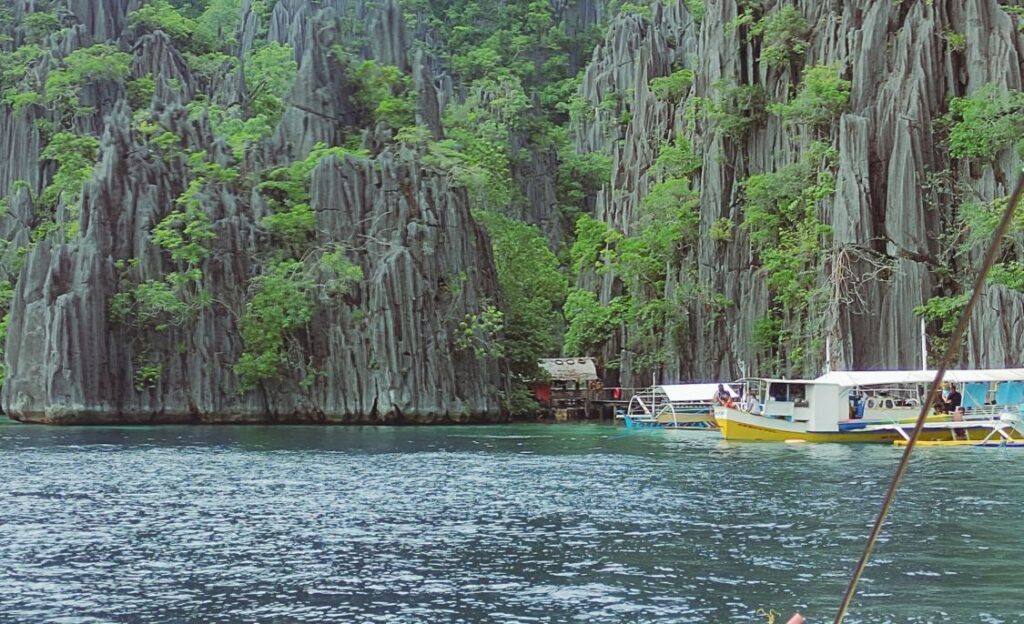
Coron feels more rugged than El Nido. It’s known for World War II shipwreck dives, emerald lakes, and dramatic landscapes that feel less polished and more elemental.
It attracts divers, photographers, and travelers who prefer depth over convenience.
Balabac: Remote and Unfiltered
Balabac is not easy to reach—and that’s exactly why it’s special. Travel here requires time, planning, and flexibility, but the reward is some of the clearest water and softest sand in the country.
This is Palawan at its most untouched. We’ve been to Balabac twice and we do recommend booking with Kamp Malaya.
You may want to read:
San Vicente: Space to Breathe
San Vicente offers something rare: space. Long Beach stretches for kilometers, crowds are minimal, and the pace is slow.
It’s ideal for travelers who want quiet mornings, long walks, and a break from overdeveloped destinations.
Choosing the Right Palawan Experience for You
Palawan rewards intention.
If you want:
- Iconic views and convenience → El Nido
- Diving and raw landscapes → Coron
- Isolation and adventure → Balabac
- Calm and open space → San Vicente
Trying to do everything at once often leads to rushed travel. Palawan shines when you slow down.
Palawan for Digital Nomads: Dreamy, Yes—But With Trade-Offs
Palawan often shows up on digital nomad mood boards: turquoise water, limestone cliffs, beachside cafés, and the promise of slow mornings before logging on.
And while that image isn’t wrong, it’s incomplete.
Palawan is not a plug-and-play remote work destination in the way places like Bali or Chiang Mai are. It works best for digital nomads who value environment over efficiency and are comfortable adjusting their work rhythm to the place—not the other way around.
What Working From Palawan Is Actually Like
Most digital nomads in Palawan fall into one of two categories:
- Those on short-term stays who work lightly while exploring
- Those using Palawan as a reset location between busier cities
You’ll find reliable internet in hotels, resorts, and some Airbnbs—especially in El Nido town, Coron town, and Puerto Princesa. But consistency varies. Power interruptions happen. Speeds can dip unexpectedly. Backup data is not optional here—it’s essential.
Palawan is ideal for:
- Writing, editing, planning, creative work
- Flexible schedules and async work
- Short focused sessions rather than long work marathons
It’s not ideal for:
- Heavy video calls every day
- Tight deadlines with zero buffer
- Needing coworking spaces or late-night cafés
Coworking Spaces and Cafés: Manage Expectations
Dedicated coworking spaces in Palawan are limited and not always long-term stable. Cafés are welcoming, but many are small, busy during peak hours, and not designed for people camping all day with laptops.
A more realistic setup:
- Do deep work from your accommodation
- Use cafés for lighter tasks or short sessions
- Schedule outdoor exploration around work—not squeezed between calls
Palawan shines when work adapts to the island—not when you try to force city routines into it.
Is Palawan a Good Long-Term Base for Digital Nomads?
For most people, Palawan works best as:
- A short-term base (2–4 weeks)
- A creative or mental reset destination
- A place to slow down between faster-paced cities
Costs can be higher than expected, especially in El Nido and Coron, where accommodation and food prices reflect tourism demand. Staying longer often means choosing quieter neighborhoods or less central locations.
If you need:
- Consistent infrastructure
- Networking scenes
- Multiple coworking options
Palawan may feel limiting long-term.
But if you want:
- Nature as your daily backdrop
- Quiet mornings and early nights
- A rhythm built around light, tides, and weather
Palawan delivers in ways few places can.
I do recommend booking tours from Klook if you’re looking for activities to do in Coron and El Nido. Below are just some of them:
First-Time Visitors: The Palawan Distance Reality Check
One of the biggest mistakes first-time visitors make is assuming Palawan is easy to “do” in a few days.
It’s not.
Palawan is long, spread out, and logistically demanding if you try to cover too much too fast.
Distances here are not just about kilometers—they’re about:
- Limited transport schedules
- Road conditions
- Weather affecting boats and flights
What looks close on a map often takes longer than expected in real life.
Airports in Palawan: Know Before You Book
Palawan has multiple airports, and this is where many plans go wrong.
The main ones are:
- Puerto Princesa International Airport – the largest and most connected
- El Nido Airport (Lio Airport) – smaller, limited flights, higher fares
- Busuanga Airport – serves Coron
- San Vicente Airport – serves those going to Port Barton
These airports are far from each other.
For example:
- Puerto Princesa to El Nido: 5–6 hours by van
- Puerto Princesa to San Vicente: 3–4 hours
- El Nido to Coron: requires a flight or multi-step sea travel
Booking flights in and out without understanding this can add unnecessary travel days.
Transportation in Palawan: Slower by Design
Transportation in Palawan is functional—but not fast.
Expect:
- Long van rides
- Early departures
- Fixed schedules with little flexibility
- Weather-related delays, especially for boats
Island hopping tours are weather-dependent, and cancellations happen. This isn’t poor planning—it’s safety.
The best approach:
- Build buffer days into your itinerary
- Avoid booking tight back-to-back transfers
- Choose fewer destinations and stay longer in each
Palawan rewards patience. Rushing it usually leads to exhaustion, not enjoyment.
How Many Days Do You Really Need in Palawan?
If you want to actually enjoy Palawan—not just check it off—a realistic timeline looks like this:
- One destination: minimum 4–5 days
- Two destinations: 8–10 days
- Three or more: 2+ weeks
Trying to combine El Nido, Coron, and another area in under a week often turns into a blur of vans, ports, and packing.
Palawan isn’t meant to be rushed. It’s meant to be lived in, even briefly.
Final Reminders for First-Timers (The Stuff People Wish They Knew Earlier)
- Travel days in Palawan are real days—plan around them
- Flights and boats don’t always run like clockwork
- Internet is usable but not bulletproof
- Cash is still important in smaller areas
- Flexibility is not optional—it’s part of the experience
Once you accept these realities, Palawan becomes easier, lighter, and far more rewarding.